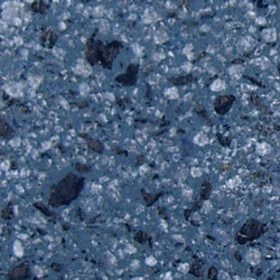
Most people pick a pool finish the same way they pick paint: they hold a small dry chip up to the light, nod, and place an order. With Diamond Brite, that shortcut can surprise you — in a good way or a bad one. A dry sample shows you the color of the material. It does not show you the color of your pool, because the moment water covers that finish, sunlight, depth and the quartz aggregate start working together and the result is a water color all its own.
At Pool Finish, finishes are what we do. We stock Diamond Brite and other premium plaster materials and ship them nationwide, and the question we hear most is never about the bag — it's "what will my water actually look like?" This guide answers that question color family by color family, so the finish you order is the finish you pictured.
Diamond Brite is made by SGM. It's an exposed-aggregate finish: a factory-controlled blend of Diamond Quartz™ aggregate and polymer-modified Portland cement, engineered to outlast and out-perform the plain white marcite plaster that was standard for decades. The color you choose sits in that aggregate blend — which is exactly why it behaves the way it does underwater.
Why the same finish looks lighter on the steps and darker in the deep end
Water is not a neutral window. Sunlight passing through it absorbs warm tones first, so everything below the surface shifts toward blue and blue-green — and the deeper the water column, the stronger that shift becomes. One finish therefore produces a gradient in a single pool: bright and pale across the shallow steps, richer and deeper over the floor of the deep end.
That single fact sorts the whole color chart into three behaviors:
- Light colors bounce light back. White, ivory and pearl bases return the most sunlight, and the water over them looks like a clear, sparkling pale aqua. It is the bright, open look most people associate with a hotel pool. The honest trade-off: a light bottom shows everything that lands on it — leaves, dust and sand stay visible between brushings.
- Mid-tone blues team up with the water. A blue finish and the water's own blue tint push in the same direction, producing the saturated Caribbean blue most shoppers are really after when they point at a photo and say "that one."
- Dark colors soak light up. Deep blue, gray and near-black bases absorb sunlight instead of returning it. The water turns moody and reflective — dark blue, blue-green, almost mirror-like, like a spring or a lagoon. Darker surfaces also camouflage debris better and pick up more solar warmth. SGM is upfront that the finished color shifts with depth, lighting and application, so the smart way to choose is by photographs of filled pools, never by the dry chip alone.
One more variable: pool shape. A pool that is mostly shallow — a tanning ledge, a beach entry, a spa-heavy layout — lives at the bright end of whatever color you choose. A deep diving pool lives at the saturated end. Buy for the pool you have.
The color families, from brightest to deepest
Pale and luminous — water that reads light aqua
- Pearl and Ivory — soft, warm light bases. Over them, water stays pale and inviting, especially in full sun. A safe pick if you want the brightest possible pool.
- Classic and Oyster Quartz — light neutrals with quartz sparkle. The water holds a clean, clear light blue with glints of light moving across the surface.
The blue middle — water that reads Caribbean
- Aqua Quartz and Aqua Blue — the turquoise end of the chart and the most-ordered look in the country: bright, tropical, unmistakably "pool blue" turned up a notch.
- Blue Quartz and Cool Blue — one step deeper. Classic swimming-pool blue, with the exposed quartz adding texture and flashes of light as you move around the pool.
- Marlin Blue and Super Blue — richer bases that hold their color into the deep end. If you love a strong blue and your pool has real depth, start here.
Dark and dramatic — water that reads lagoon
- Tahoe Blue — a deep blue that gives the whole pool a bold, dark-water character.
- Midnight Blue — near the bottom of the chart. The water goes deep and reflective, reading more like a natural lagoon than a resort pool.
- French Gray — a gray base that lands the water in a refined blue-green. It pairs beautifully with gray coping, concrete decks and modern architecture.
- Verde — pushes blue-green toward the green side for a spring-fed, natural feel.
- Onyx — the darkest finish in the line and the one that creates a true mirror effect. Plan your lighting with it: at night and in heavy shade, a very dark pool runs darker still, so underwater lights carry more of the look.
Built to last: the practical case for exposed aggregate
Color gets the attention, but durability is why exposed aggregate replaced plain plaster as the upgrade standard. Quartz is insoluble, and per SGM the aggregate is unaffected by pool chemicals and resists permanent staining. The accent colors are permanently bonded into the blend, so they don't rust, rub off or fade the way some colored aggregates can. And because the surface is naturally variegated, it forgives the subtle mottling and minor imperfections that show up starkly on smooth, solid-color plaster.
Living with it is simple. Keep the water balanced — that rule applies to every cement-based finish — brush the surface as directed during start-up, and follow the start-up procedure carefully through the first month while the finish cures. That first month is when good finishes are protected and careless mistakes become permanent. If you're ordering material for a contractor or a DIY resurfacing project, ask us about the start-up sequence when you order; getting it right costs nothing and saves the surface.
What drives the material cost of a resurfacing project
Finishes aren't priced by the pool — they're priced by the bag, and projects differ. The material total for a Diamond Brite resurfacing job mainly depends on:
- Surface area — the pool's interior square footage sets how many bags the job consumes, and it's the single biggest cost factor
- Color selection — colors and blends are not all priced the same; deeper and specialty blends can cost more per bag
- What the old surface needs — prep materials, patching and repair products add up when the existing finish is tired
- The full scope — a matching spa, entry steps, benches, swim-outs and waterline tile all increase material quantities
Because shipping heavy bags is part of the real cost, it pays to order the right quantity once. Browse the Diamond Brite finishes at Pool Finish and check the product details for each color — and if you're between two colors, order by the water, not the chip.
Choosing well, from a store that only sells finishes
A finish is the one part of your pool you look at every day, and the hardest to change later. Our advice, after shipping a lot of these bags: shortlist two or three colors, look at each one in photos of filled pools at depths like yours, and then decide. If it helps to talk it through, message us on WhatsApp at 305-877-8960 with your pool size and the colors on your shortlist, or shop the full range at poolsfinish.com.
Pick the finish for the water you want to swim in — the bag is just how it gets there.